November is Diabetes Awareness Month, making it an ideal time to focus on protecting your health. At Premier Foot & Ankle, our provider team helps patients protect their feet.
We provide specialized diabetic foot care across five convenient North Texas locations — McKinney, Plano, Frisco, Celina, and Denison. Managing diabetes is about more than blood sugar; it’s also about watching for hidden foot issues.
Why are diabetic foot problems so hard to spot?
Diabetic foot problems often develop without any pain or obvious symptoms. The American Diabetes Association warns that up to 50% of diabetic peripheral neuropathy cases are completely asymptomatic. This means you can have nerve damage even if your feet feel fine.
High blood sugar damages the delicate nerve fibers in your feet over time. This damage blocks the pain signals that normally warn you of an injury.
Even if you don't have pain, watch for warning signs of diabetic foot problems, including:
- Numbness, tingling, or burning sensations
- Cuts, blisters, or sores that heal slowly
- Redness or swelling
- Changes in skin color
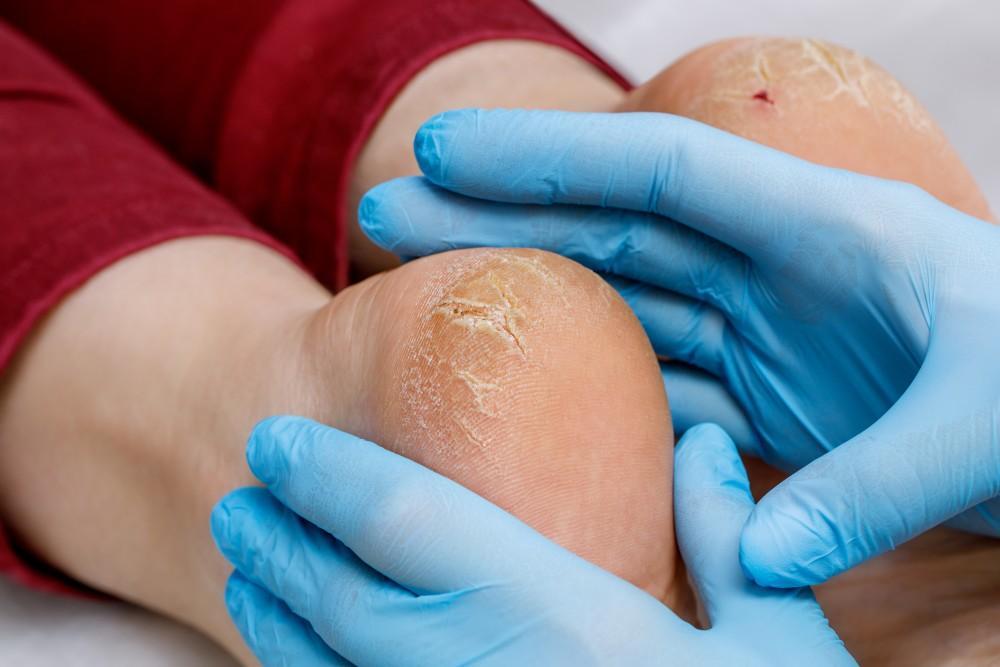
- Dry, cracked skin, especially around your heels
- Thick calluses or corns
- Changes in foot shape
We use advanced neuropathy testing to catch this silent nerve damage early. We then create a personalized care plan to protect your feet from injury.
What happens when nerve damage meets poor circulation?
The combination of nerve damage and poor blood flow creates a dangerous situation where wounds and infections may go unnoticed and become difficult to heal.
According to the American Diabetes Association, this dual threat is known as a neuroischemic foot. Deep tissue damage and infections can progress without causing the pain you might normally expect.
Poor circulation prevents your body from sending oxygen and healing cells to minor cuts. At the same time, numb nerves keep you from feeling the injury. We offer specialized vascular testing to check your circulation and protect your limbs.
Our podiatrists work with you to support foot health and identify circulation problems before they become serious.
How can you protect your feet at home?
Protecting your feet requires a daily routine of visual checks and avoiding risky home treatments. The American Podiatric Medical Association strongly warns against home "bathroom surgery" like cutting your own calluses or ingrown nails.
Using sharp tools or harsh chemical removers on diabetic skin can easily cause a tiny cut that leads to a severe infection.
The American Diabetes Association recommends performing a daily visual foot inspection to check for cuts, blisters, or redness. If you can’t see the bottoms of your feet, a caregiver or a mirror can help.
A study in the World Journal of Diabetes explains that dry, cracked heels can be a sign of autonomic nerve damage. If you notice any changes, our podiatrists can safely treat them and design custom orthotics to protect your feet.
Don’t wait until you have foot pain to seek help. This Diabetes Awareness Month, take a proactive step for your health.
Call one of our five convenient Texas locations today or book your appointment online anytime to schedule your comprehensive foot exam at Premier Foot & Ankle.